Nutrition
Hydration for Exercise: What to Drink Before, During and After Training
By MyFitnessGrowth Editorial Team · 2026-10-08 · 7 min read
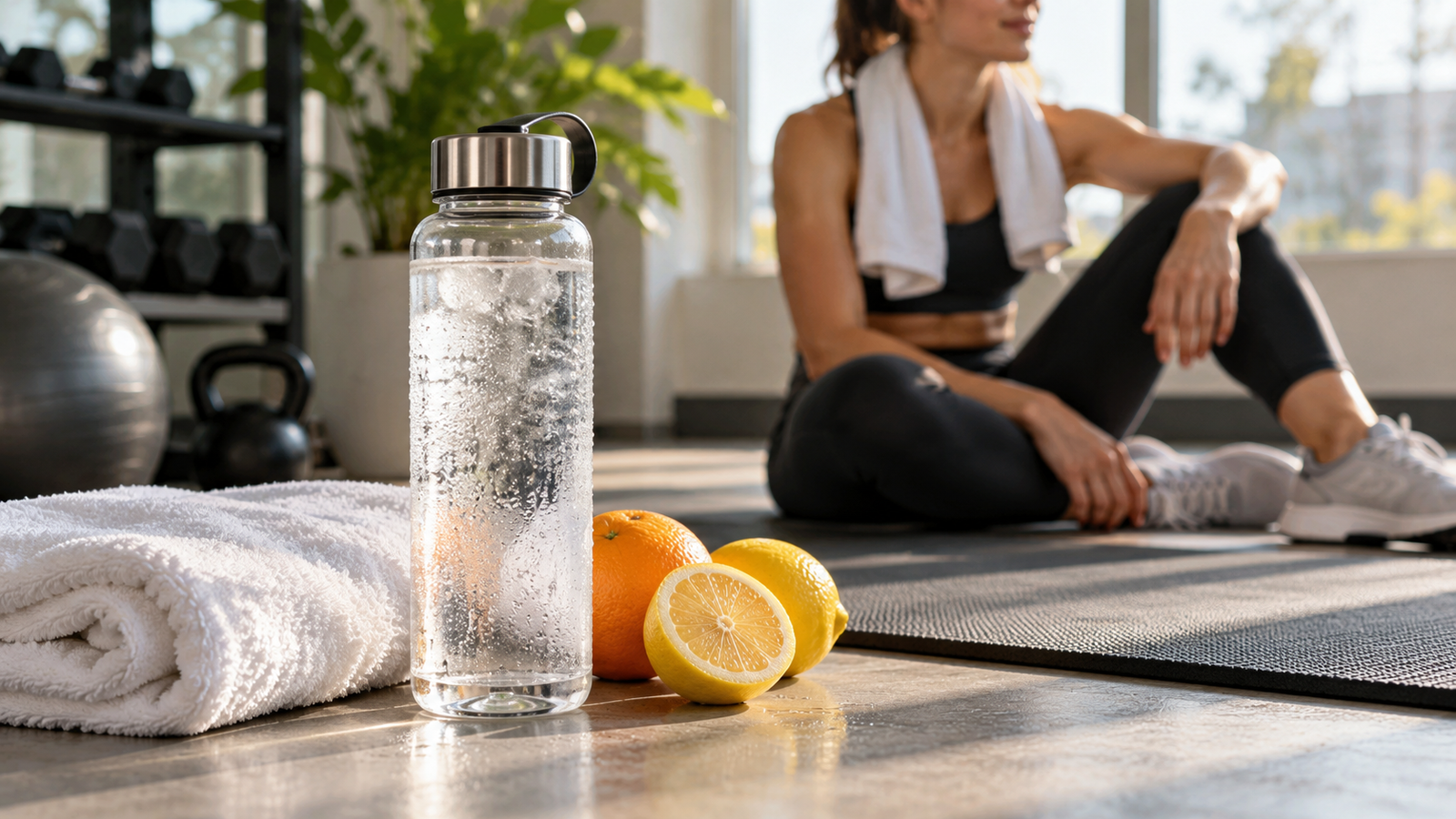
Hydration affects comfort and performance, but needs vary widely. Body size, climate, clothing, exercise duration, intensity, sweat rate, diet and medications all matter. One fixed water target cannot fit everyone.
Before Exercise
Begin sessions normally hydrated by drinking regularly through the day. Pale-yellow urine and normal thirst can be practical clues, though neither is perfect. Avoid forcing large amounts immediately before training because this can cause discomfort and frequent bathroom stops.
During Exercise
For many shorter sessions in moderate conditions, drinking according to thirst is adequate. Longer, hotter or high-sweat sessions may require a planned approach. Take small amounts at intervals rather than consuming a large volume at once.
Do You Need Electrolytes?
Plain water is sufficient for many ordinary workouts. Sodium-containing drinks or foods can be useful during prolonged exercise, heavy sweating, hot environments or multiple sessions. Sports drinks also provide carbohydrate, which may help during long endurance work but adds energy that may be unnecessary for a short easy workout.
After Exercise
Resume normal drinking and eat a balanced meal or snack. If you need precise replacement after a long event, compare body mass before and after exercise under similar conditions. Each kilogram lost reflects roughly one litre of net fluid loss, but replacement should occur gradually and include sodium from food or an appropriate drink.
Avoid Overhydration
More is not always safer. Drinking far beyond thirst—especially during prolonged exercise—can dilute blood sodium and become dangerous. Headache, confusion, vomiting, worsening nausea or swelling during or after endurance activity requires urgent medical attention.
Useful Habits
- Carry a bottle when access is limited.
- Drink with meals and after waking.
- Adjust for heat and heavy protective clothing.
- Use electrolytes purposefully rather than automatically.
- Review medications and medical conditions with a qualified clinician.
Final Takeaway
Start hydrated, drink according to thirst during ordinary sessions, and plan more carefully for heat, long duration or heavy sweating. Both dehydration and excessive fluid intake can be harmful.
This is general information. People with heart, kidney or fluid-balance conditions should follow individualized clinical advice.