Weight Management
Walking for Fat Loss: A Realistic Plan You Can Sustain
By MyFitnessGrowth Editorial Team · 2026-10-08 · 7 min read
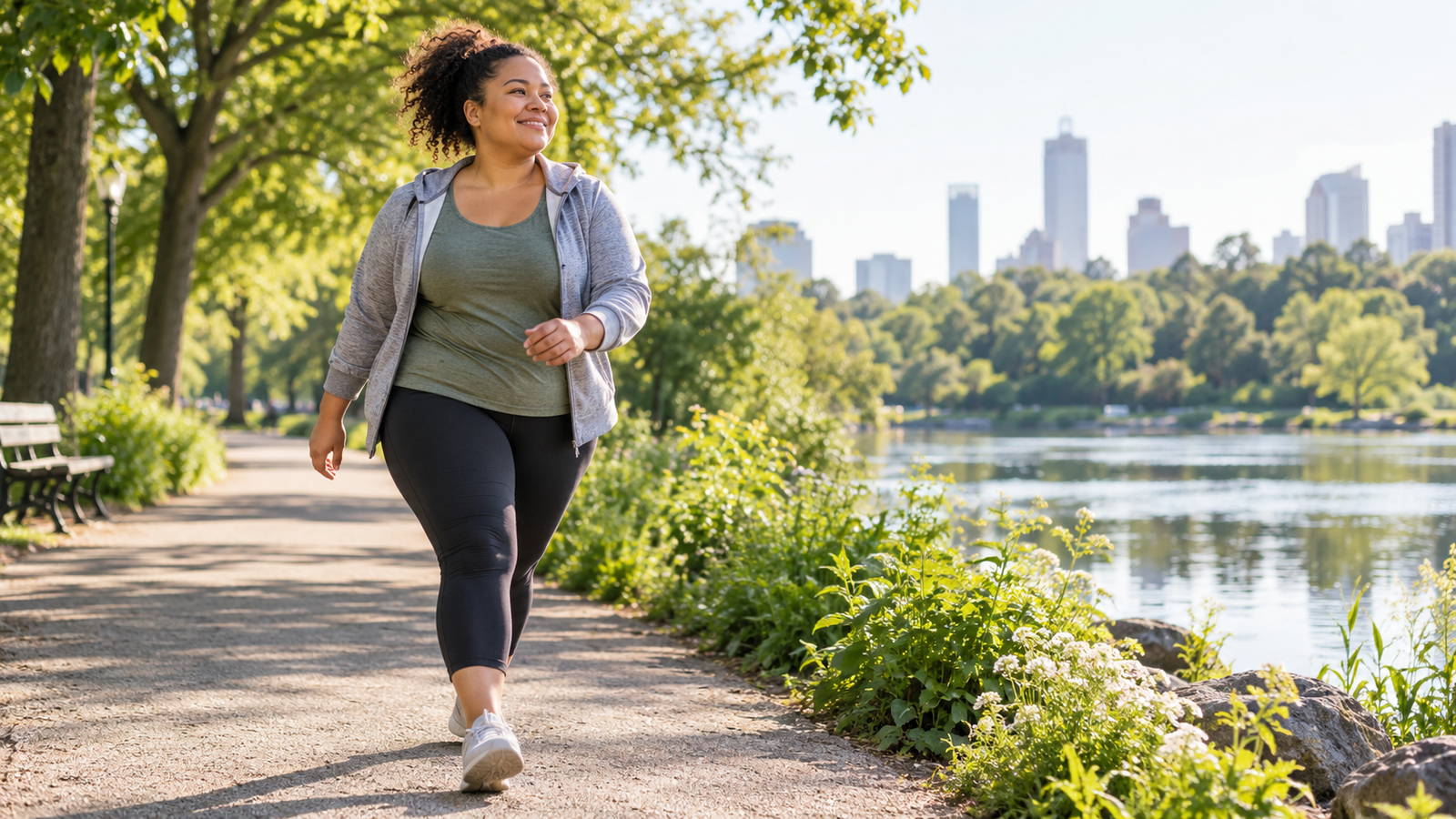
Walking is accessible, low impact for many people and easy to repeat. It can support fat loss by increasing energy expenditure, but it does not guarantee results on its own. Sustainable change usually combines activity with an appropriate calorie deficit, adequate protein, resistance training, sleep and habits you can maintain.
Start From Your Current Baseline
Track a typical week without forcing a target. Your phone, watch or a simple time log can provide a baseline. Then add a small amount—perhaps ten minutes per day or one additional short walk. Large sudden increases can irritate feet, shins or knees.
A Four-Week Progression
- Week 1: add a comfortable 10-minute walk on five days.
- Week 2: extend two walks to 15–20 minutes.
- Week 3: include one longer comfortable walk.
- Week 4: maintain the schedule or add a small pace increase if recovery is good.
There is no magical step count. A useful target is one that increases your normal activity without causing pain or excessive fatigue.
Easy Ways to Walk More
- Walk for ten minutes after a meal.
- Take phone calls while moving.
- Park farther away when safe.
- Use short walks to break up long sitting periods.
- Plan a social walk rather than relying only on formal cardio.
Combine Walking With Strength Training
Two or more weekly resistance sessions can help maintain strength and lean tissue during weight loss. Keep walking volume manageable around demanding leg sessions, particularly when you are new to training.
Nutrition Still Matters
Walking calories are easy to overestimate, and exercise can increase appetite. Build meals around protein, vegetables or fruit, fibre-rich carbohydrates and measured energy-dense foods. Avoid “earning” unlimited food through exercise.
When to Slow Down
Reduce volume and check footwear, terrain and recovery if you develop persistent foot, shin, knee or hip discomfort. Stop and seek urgent care for chest pain, fainting, severe breathlessness or other alarming symptoms.
Final Takeaway
Walking works best because it is repeatable. Begin with your real baseline, progress gradually and pair it with sustainable eating and strength habits rather than extreme targets.
This article is general education and not individualized medical advice.